The Hard Part of Algae Counting Is Not the Counting
一、The sample is the hard part
First attempts usually fail because the field is empty or full of debris, not because the optics are poor. Counting converts cells in a known volume into a density, so volume, concentration factor and chamber area must all be recorded.
二、Sampling and fixation
1. Take a representative sample
Surface, mid-water, shore and centre differ. Follow the sampling plan for point and depth, and log temperature, weather and time.
2. Fix on site
Add fixative promptly to stop motility and degradation. Delaying it distorts or loses flagellates. Follow your own laboratory instruction for type and dose.
3. Keep it dark and cool
Label point number and date, then store protected from light and heat.
三、Sedimentation
1. Measure the volume
Record the exact volume of homogenised sample poured into the column. Every later calculation depends on it.
2. Allow enough settling time
Time depends on column height and cell size. Do not move or vibrate the bench during settling.
3. Siphon gently
Remove supernatant slowly along the wall and leave a small volume. Siphoning too far removes the settled cells.
4. Record the concentration factor
Original volume divided by final volume is the basis of the calculation.
四、Chamber and counting
1. Re-suspend consistently
Concentrated samples stratify quickly; mix gently the same way every time.
2. Fill the chamber correctly
Follow the chamber instructions for volume and coverslip placement. Bubbles reduce the effective area.
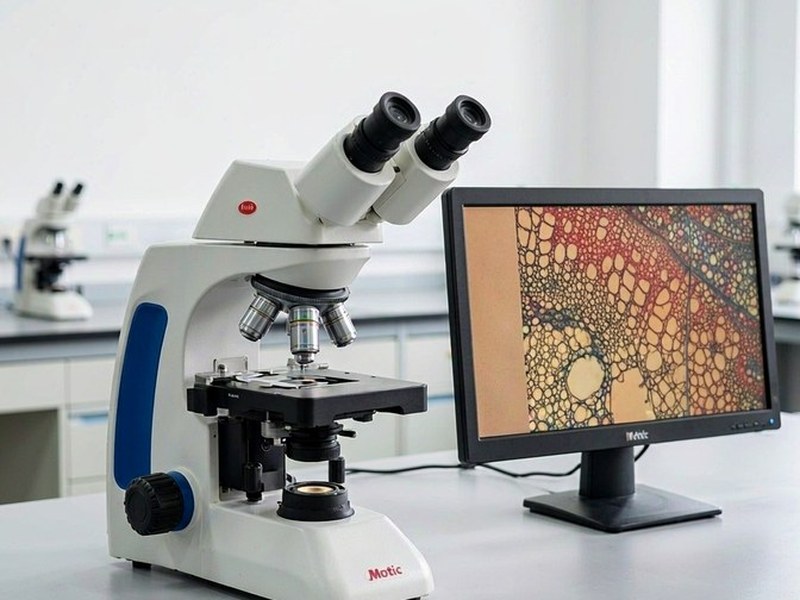
3. Scan at low power first
At 10X judge density, debris and clumping, then decide the number of fields and whether dilution is needed.
4. Identify at higher power
Use 40X for structure and identification. If the density is too high, dilute and repeat rather than forcing a count.
5. Agree boundary rules
"Count top and left, skip bottom and right", and the unit for colonies or filaments, must be agreed and written down.
五、Records and review
Log point, time, original and final volume, chamber area, fields counted, counts per field, calculated result and analyst. Put the formula in the spreadsheet, run parallel checks on part of each batch, and repeat when the agreed tolerance is exceeded. Archive raw images separately from raw records.
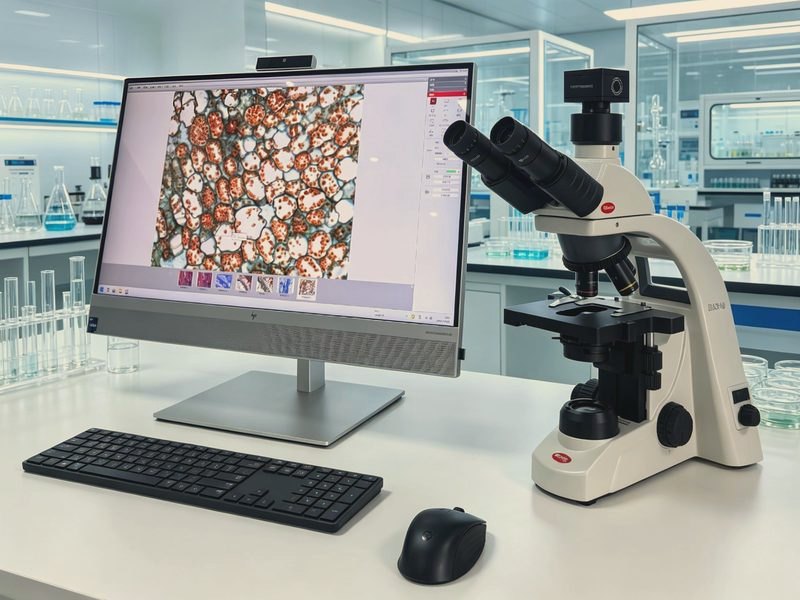
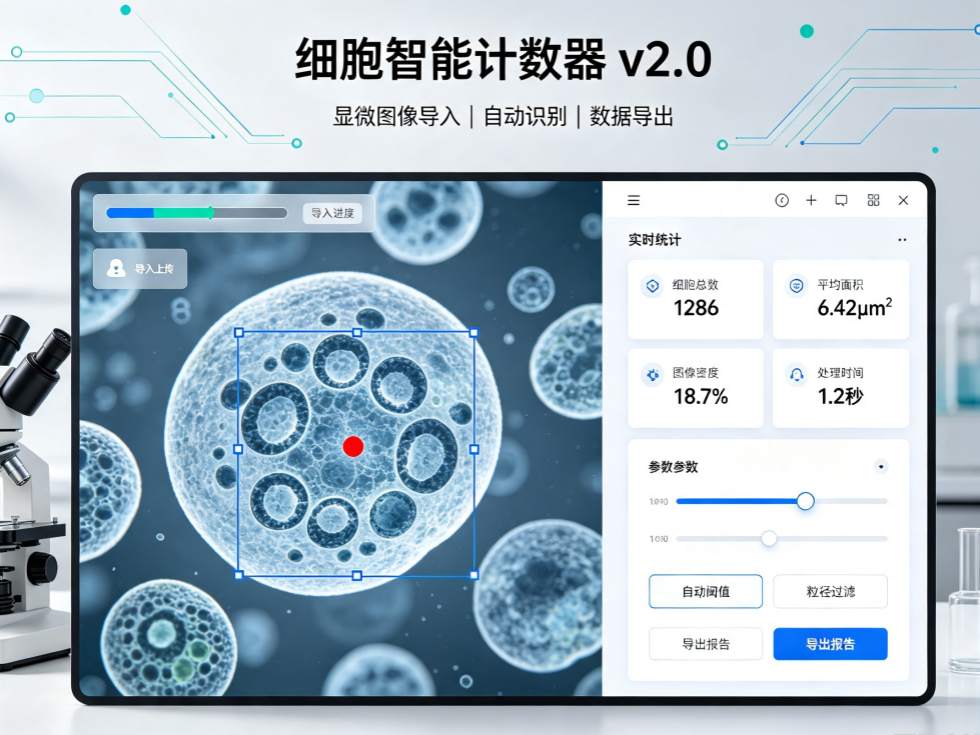
六、When to use image analysis
High sample volume and frequent reporting justify automated capture and counting, with human review as the final gate. Software proposes; the analyst confirms.
七、Closing
Fix the volumes and the rules first, and results from different people and different batches become comparable.