Inverted or Upright Microscope: Which One Do You Actually Need?
1. Where the structure differs
Upright: objectives above the stage pointing down, light source below, sample on the stage viewed from above. A mature platform with rich accessories and the highest magnifications.
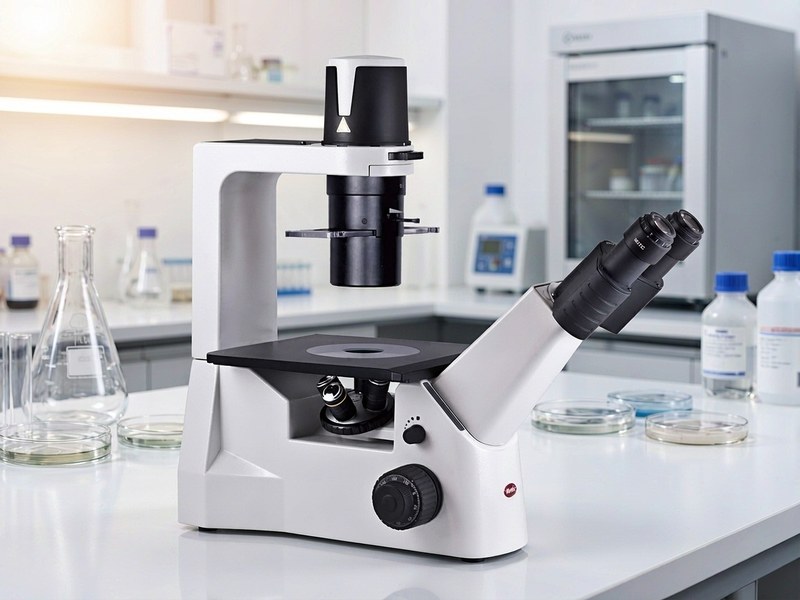
Inverted: objectives below the stage pointing up, light source above, sample placed from above and observed from underneath. The great benefit of this flip is that samples can stay in dishes, flasks and multiwell plates — no slide preparation needed.
2. Where an upright microscope fits
Thin sections and smears: pathology slides, blood smears, microbial smears — the classic upright applications.
High magnification and special contrast: oil immersion, polarised light, fluorescence, DIC — the upright platform carries the widest configuration range.
Teaching and routine examination: intuitive to operate, simple to maintain, suited to heavy daily use.
3. Where an inverted microscope fits
Live cells and cultures: cells grow on the bottom of a dish, and an inverted microscope observes them from below without disturbing the culture.
No slide preparation: wet mounts, suspensions and tissue pieces can be placed directly.
Micromanipulation and long sessions: with an incubator or heated stage, time-lapse imaging becomes possible.
Cytology and urine sediment: routine clinical uses.
4. Three common misconceptions
"inverted is more advanced" — no. Inversion exists to suit particular sample formats; an ordinary section is less convenient on an inverted stand.
"one inverted microscope can replace an upright" — not for oil immersion, polarised light and similar work; the two are complementary.
"magnification is the main spec" — working distance, stage travel and fluorescence capability usually matter more in practice.
5. How to choose
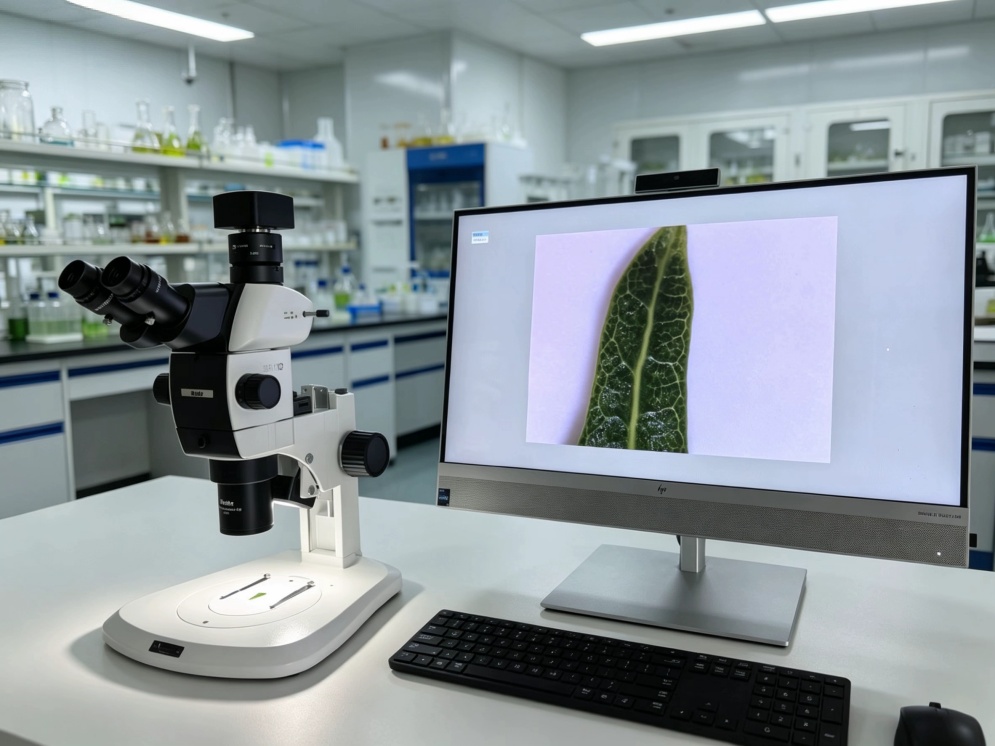
Judge by sample form: a thin glass slide that must be seen in fine detail — upright. Something in a dish, flask or plate that must be watched while cultured — inverted. Something large and thick where the surface must be seen in 3D — stereo.
If you need all three, allocate the budget by frequency of use rather than buying the top model of each.
Conclusion
The first step in choosing a microscope is never choosing a model — it is describing the sample. State clearly what you want to see, what it looks like, and how many per day, and the model is largely decided.