What Drives the Price of a Metallurgical Microscope? Five Factors That Explain the Difference
1. Optics: the objective sets the ceiling
The first source of price difference is the objective. Plan achromatic, semi-apochromatic and apochromatic objectives sit in clearly different price tiers, and the difference shows in field flatness, chromatic correction and numerical aperture.
For grain size rating and precise measurement, an under-specified objective blurs at the edge of the field first — and the measurement becomes unreliable.
2. Illumination: every mode beyond brightfield costs
A basic configuration offers brightfield only. Darkfield reveals surface scratches, inclusions and non-metallic phases; polarised light separates anisotropic structures; DIC gives surface relief a three-dimensional look and is very useful for judging polish quality and micro-cracks.
Each added mode requires its own optical module, and some also impose extra requirements on the objectives.
3. Mechanics: stage and focus stability
Large samples need a wide-travel stage; heavy samples need rigidity and load capacity; long observation sessions need a focus mechanism that does not drift. On a datasheet this is often a single line, yet it shapes a decade of daily use.
4. Imaging and software: from seeing to measuring
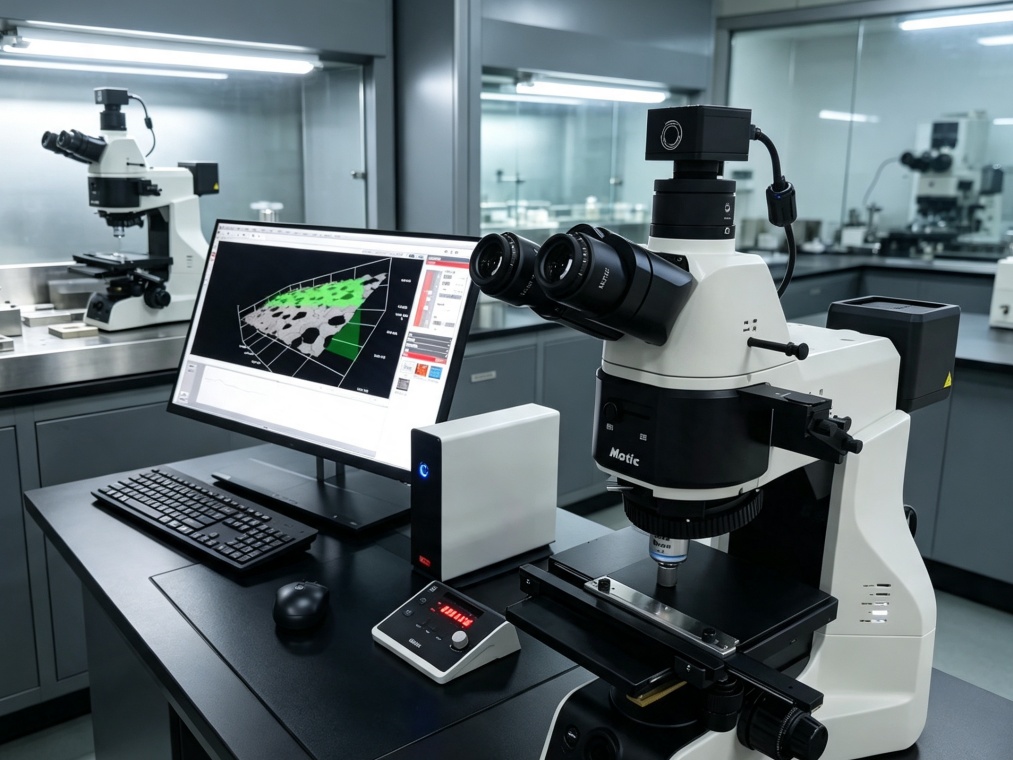
For visual observation alone, a basic camera is enough. Grain size rating, case depth measurement and phase fraction statistics require image analysis software and a calibration workflow. Whether the software is workable, can export reports and keeps data traceable decides whether the instrument enters your quality system.
5. Brand, service and spare parts
Imported versus domestic, factory systems versus integrated solutions — the spread is wide. Beyond the instrument itself, consider spare-parts lead time, software upgrade paths and repair response, none of which is visible at purchase but all of which matter two or three years later.
Conclusion
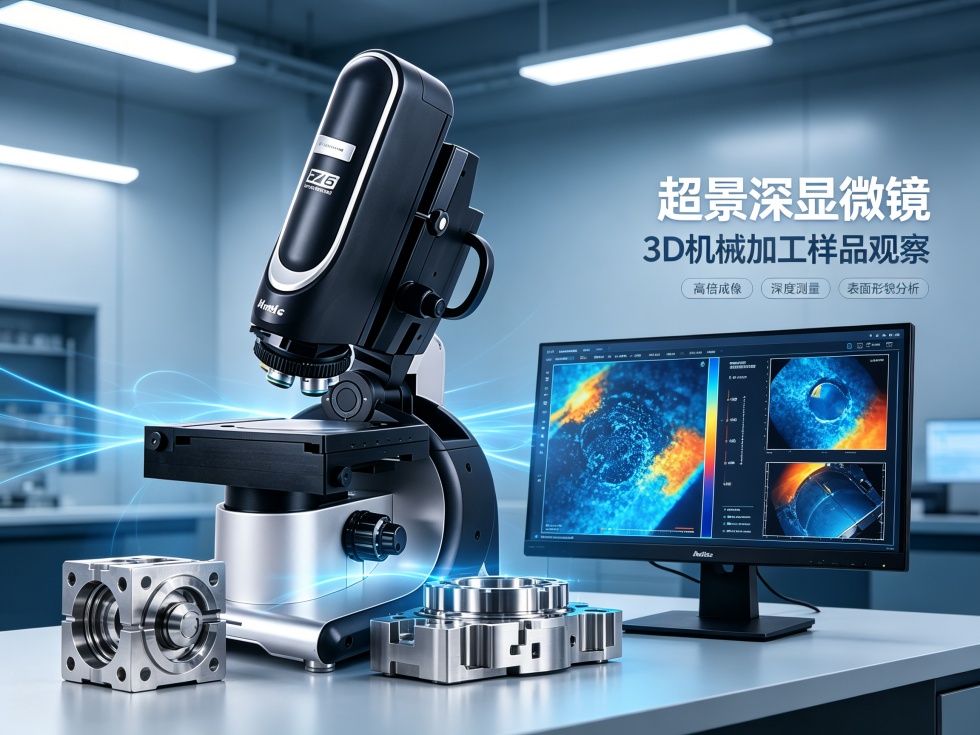
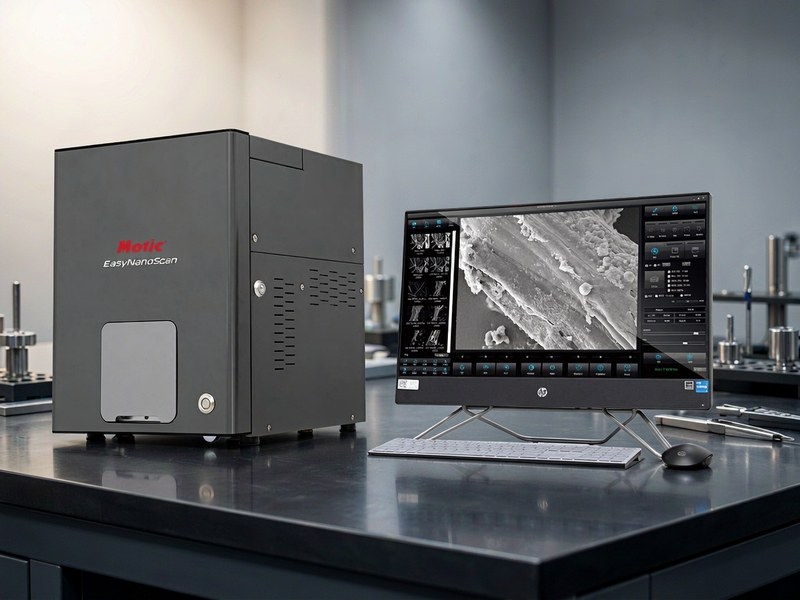
Work backwards from the application: routine structure observation is served by a mid-range configuration; rating, measurement and reporting should not economise on objectives or software; a full failure-analysis workflow usually needs an ultra-depth-of-field microscope and a SEM alongside.
Decide what conclusions you must reach first, then what to spend — that usually costs less than fixing a budget and shopping inside it.