Project Overview
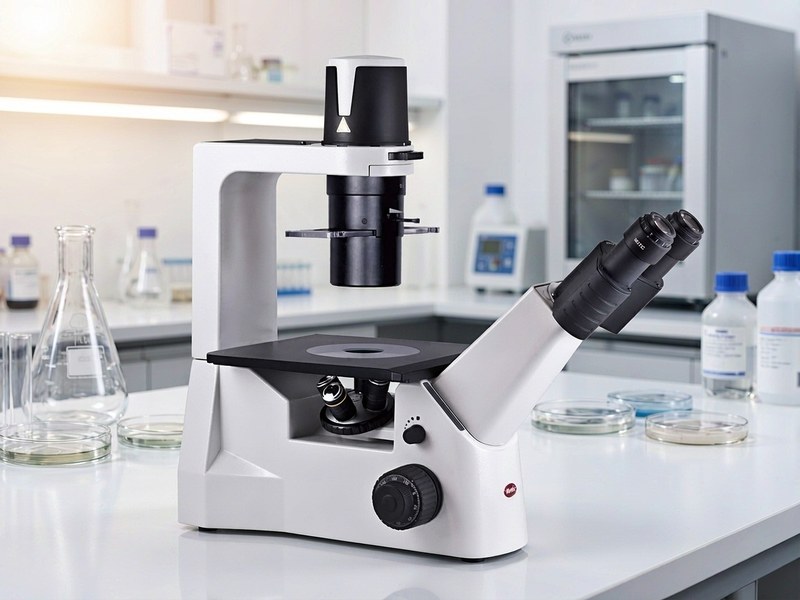
Multiple AE2000 inverted biological microscopes supplied to Muyuan Biotech for observing cell attachment, morphology and culture density, supporting cell experiments, sample testing and routine quality monitoring.
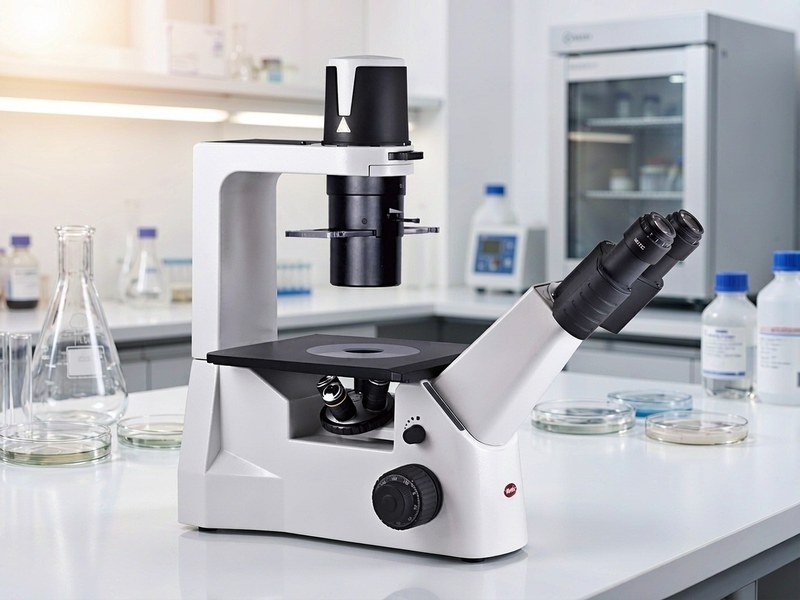
Cell work asks something different of a microscope. What matters is how the same culture behaves over time — how firmly cells have attached, whether morphology is normal, how dense the culture has become, whether contamination is setting in. These samples live in dishes and flasks: they cannot be pressed under a coverslip, and staining and mounting them is not an option either, while a slide only captures the single moment it was sampled. An inverted microscope puts the objective below the stage and the sample on top, so the vessel goes straight on and the cells are read through its base. For this kind of work it is the basic instrument.
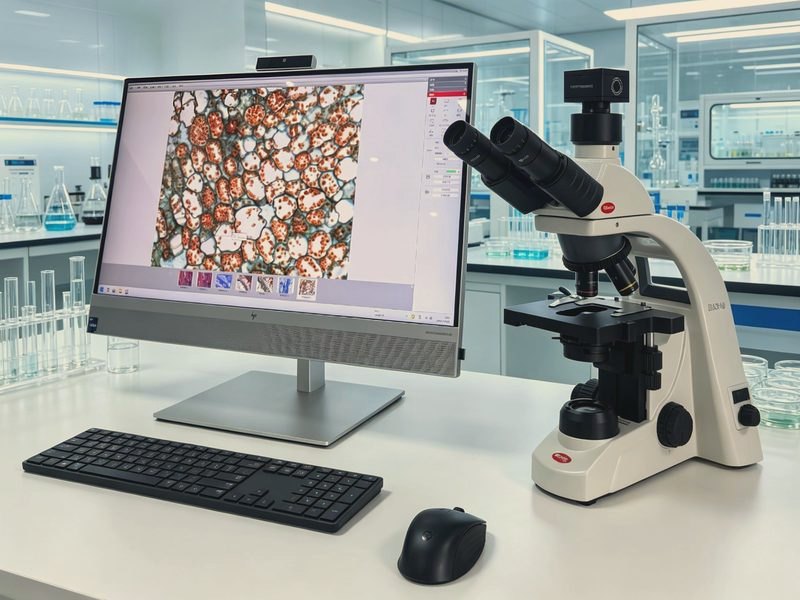
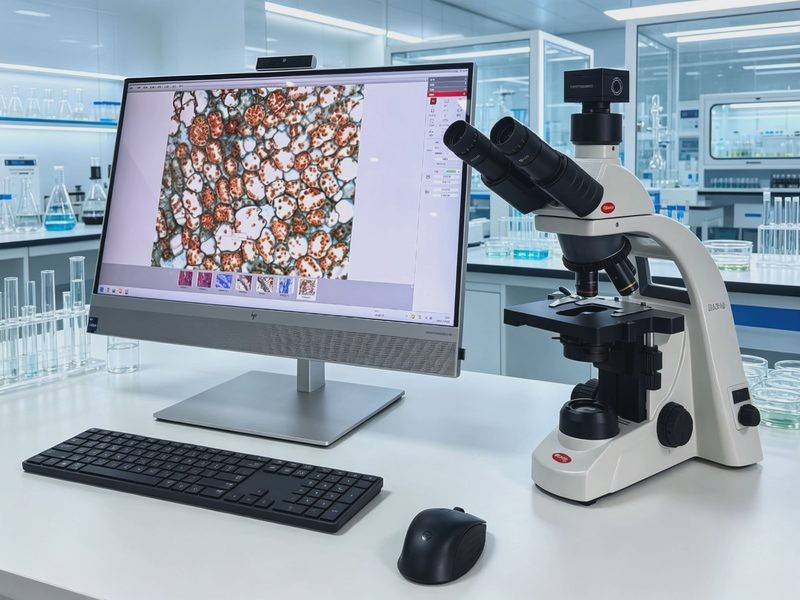
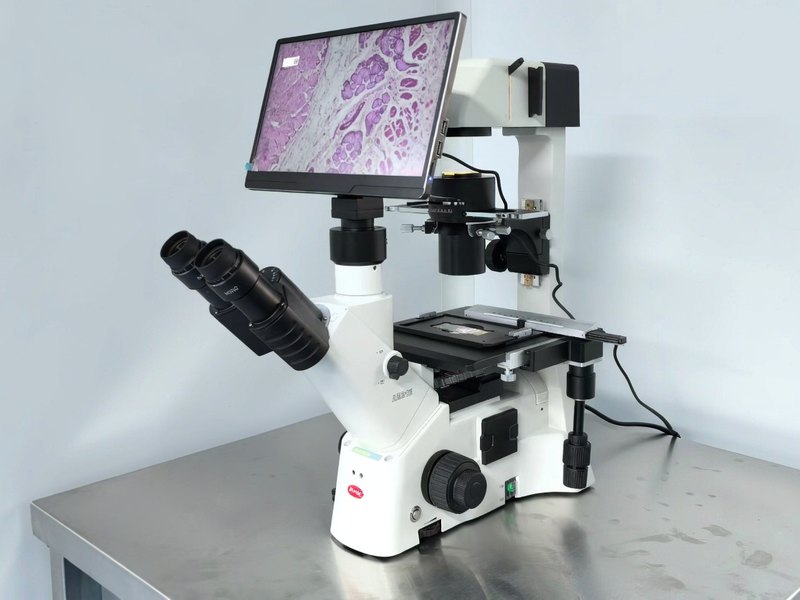
At Muyuan Biotech the cell benches are many and observations are frequent — several benches need to examine samples at the same time, and queueing for a single microscope slows the whole experiment down. We supplied multiple AE2000 inverted biological microscopes, distributed across the cell-culture workstations. The AE2000 uses an infinity-corrected optical system with long working distance plan objectives, so cell morphology and attachment state stay clear through the base of dishes and flasks; the trinocular head supports eyepiece observation and camera imaging at the same time, so nobody has to choose between looking and recording; the stage takes standard flasks and multi-well plates, so switching samples does not mean constant repositioning.
Every unit was installed, optically aligned and focus-checked on site, and laboratory staff were trained on brightfield observation, stage movement and sample positioning, the points to watch with different vessel types, and image capture with file naming for archiving. The instruments are numbered by workstation, so any problem can be traced to a specific unit.
The microscopes are now part of routine cell-culture workflows, and captured images are used in experimental records, stage-by-stage comparisons and internal review.