Stereo Microscope Specifications
1. Optical system
• Twin light paths producing parallax between left and right eyes, which the brain reads as depth
• Two common designs: Greenough, with a small convergence angle and compact body, and CMO parallel optics, which take accessories and keep the axes parallel
• Coated optics for faithful colour
• 0.5X and 2X supplementary lenses at the front of the objective alter magnification and working distance
2. Zoom system: the key item
• Continuous zoom with ratios of 1:6.7, 1:8 or 1:10
• Zoom range 0.67X to 4.5X on the main objective, giving 6.7X to 45X with 10X eyepieces
• Parfocal through the zoom range, so refocusing is unnecessary
• Zoom knobs carry a magnification scale for reading the current setting
• Note: a larger zoom ratio makes continuous observation from low to high power easier
3. Eyepieces and head
• Binocular or trinocular head, 45 degree inclination, 20 degree adjustable on some models
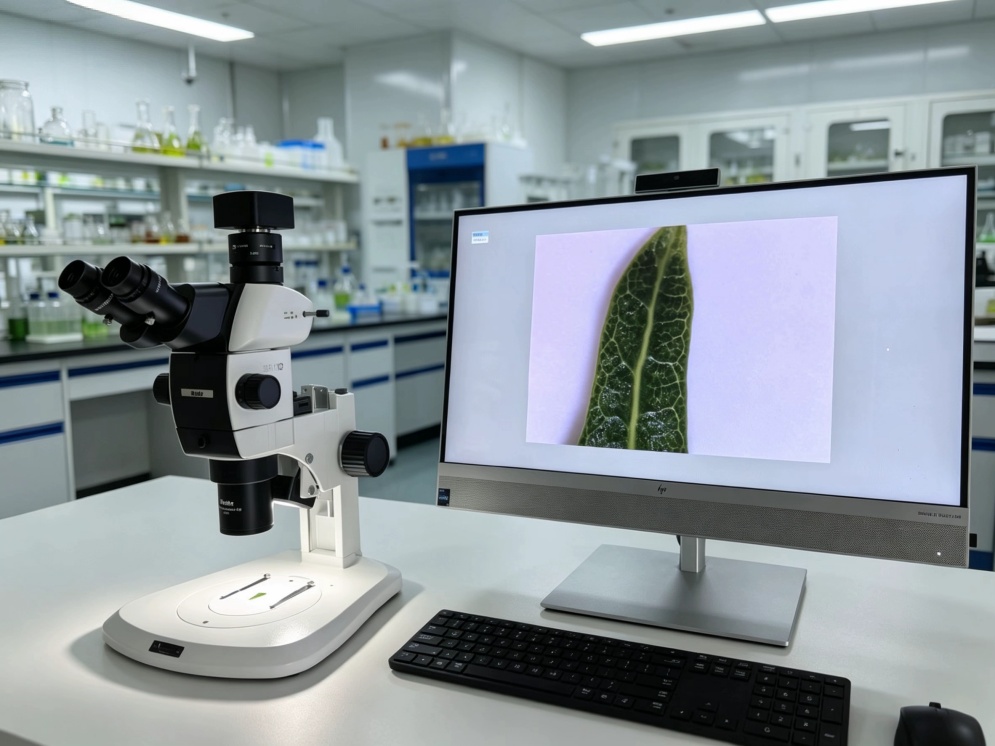
• Trinocular version accepts a camera with split ratios typically 50:50 or 100:0
• 10X and 20X wide-field eyepieces, field number 20 to 22 mm
• Dioptre adjustment, interpupillary distance 52 to 75 mm
4. Working distance and depth of field
• Standard working distance of 100 mm or more
• Long working distance models reach 150 to 200 mm for work under the objective such as soldering or dissection
• Depth of field falls as magnification rises
• A 0.5X supplementary lens increases both working distance and depth of field at the cost of magnification
5. Stand types
• Pillar stand, simple and compact, for routine viewing
• Single or double boom stand, with generous working space for soldering, repair and dissection
• Transmitted light base, for transparent and translucent samples such as sections, insects and mineral thin sections
• The stand carries the focusing block, usually coarse with fine focus on some models
6. Illumination
• Ring LED, shadow-free and even, suited to metal, electronic parts and solder joints
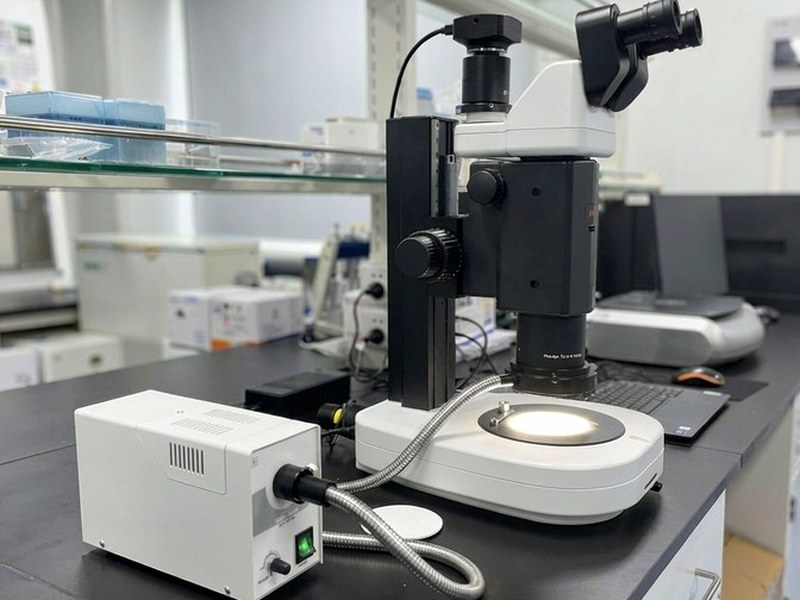
• Dual gooseneck fibre or LED, adjustable in angle to reveal surface texture and scratches
• Transmitted base light for transparent samples, usable together with reflected light
• Continuously dimmable, colour temperature 5000 to 6500 K
7. Digital imaging
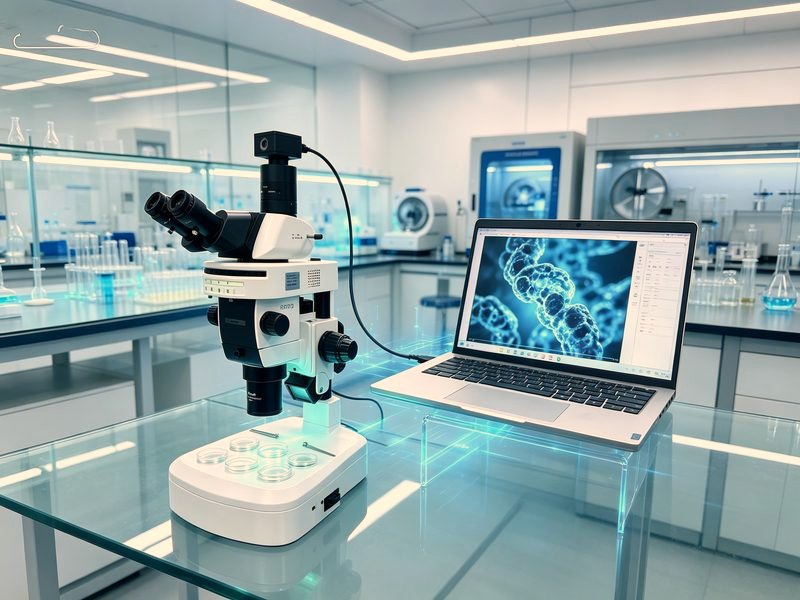
• C-mount on the trinocular head, accepting 5 to 20 megapixel cameras
• At low magnification a larger sensor gives a field of view closer to the eyepiece view
• Software supporting measurement, depth-of-field stacking, scale bars and report export
• Note: digital magnification adds no real detail, so buy on the optical zoom range
8. Power and environment
• Power supply AC 220 V, 50 Hz
• Operating temperature 5 to 40 degrees Celsius, relative humidity up to 80 percent
• Anti-fungus treated optics
• Anti-vibration mat and eye guards recommended for long sessions
9. Three points where procurement often goes wrong
• Digital magnification is quoted as optical, so a claimed 200X is only 45X optically
• Working distance too short to work under the objective, leaving no room for hands during soldering or dissection
• Ring light only with no oblique illumination, so scratches and cold solder joints on metal remain invisible