Microscope Procurement for Henan Universities: From Selection to Acceptance
Microscopes are a high-frequency purchase in university laboratories, and the range runs from teaching biological microscopes to research-grade fluorescence and confocal systems. Procurement spans technical, compliance, budget and service considerations, and one detail overlooked can mean an instrument that does not work well in practice or an acceptance that stalls. Here are the key points, in the order they arise.
1. Define the use and the quantity first
Before buying, answer three questions. Who will use it: a teaching class, a research group or a shared platform? What will be observed: tissue sections, material cross-sections or living cells? How many users: size the order to class numbers and workstation count, and add spares. Teaching instruments are judged on durability and value, research instruments on precision and imaging; the two are specified quite differently and should not be conflated.
2. Common tender requirements
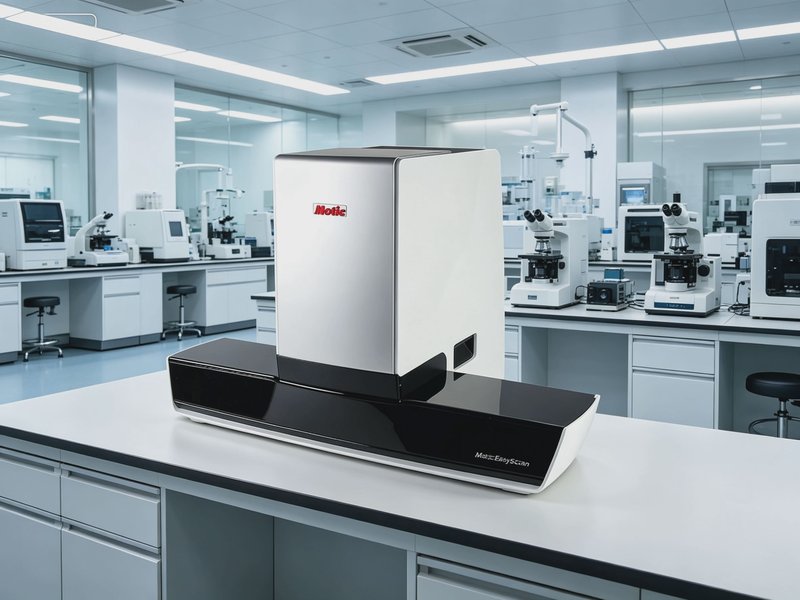
Projects run through government procurement or formal tendering normally require the supplier to provide a point-by-point response to the technical specification, especially the starred substantive clauses, third-party test reports, a manufacturer authorization letter and a written after-sales commitment. University buyers should also note domestic-content policy: for categories such as biological microscopes and digital slide scanning systems there is a clear preference for domestic procurement. These documents need to be ready at the bidding stage.
3. Practical selection advice
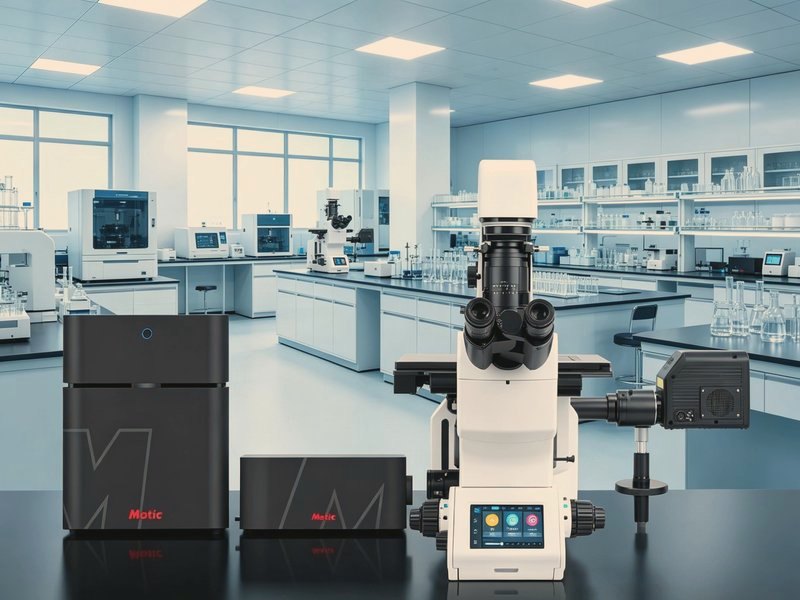
For teaching microscopes, prioritise durability, ease of operation and consistency across a batch. For research microscopes, focus on objective quality, fluorescence channels and the imaging system. Where laboratory classes need interaction, consider a complete digital interactive microscopy laboratory rather than individual instruments. Asking a supplier to propose a configuration around your actual samples and teaching scenarios is far more reliable than comparing prices alone.
4. Acceptance points
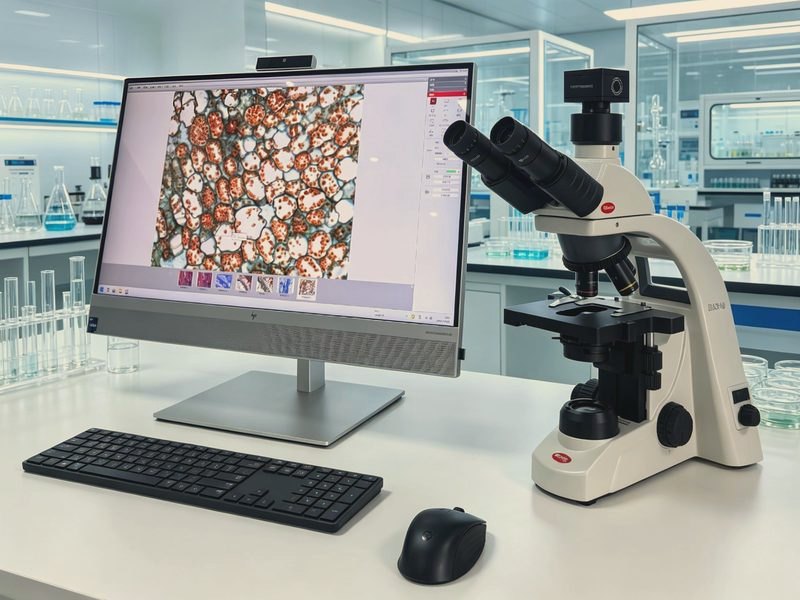
Acceptance is not a matter of unboxing and switching on. Check the appearance and that the accessory list is complete, verify the technical parameters item by item, and run imaging tests with real samples for sharpness, focus and evenness of illumination. For digital equipment, test the software functions and image quality. On batch purchases, sample several units to confirm consistency. Keep the acceptance record and the training record; they are the basis for later warranty claims.
5. Why local service matters
A microscope is a precision instrument, and optical alignment, installation, teacher training and later repair all need professional support. A local authorized dealer who can be on site after one phone call and a distant seller who can only advise remotely are very different propositions over the years. When an instrument is down it is classes and research that stop, and response time is sometimes worth far more than a few thousand yuan saved.
6. The situation in Henan
Henan has a large number of universities and continuing demand for instrument renewal, and purchasing tends to cluster around equipment refresh programmes and laboratory construction projects. Suppliers who know local course structures and can provide a complete solution with fast after-sales support are the ones who carry a project through properly. Involving the supplier at the selection stage, and planning the technical solution, the budget and the schedule together, is the better approach.
Procurement of a microscope is really the purchase of a solution that has to last ten years, not of a machine. Take use, compliance, selection, acceptance and service into account together and the purchase has been done properly.