What a Stereo Microscope Can Do: From Solder Inspection to Dissection
Say microscope and most people picture the biological instrument used for slides. But on the factory floor, at the electronics repair bench and in the geology laboratory, the one you see more often is the stereo microscope. It looks like a small telescope, gives a three-dimensional view, is simple to use, and its range of applications is very wide.
1. How it differs from a biological microscope
A biological microscope examines thin, light-transmitting specimens and aims for high magnification and high resolution. A stereo microscope takes a different route: two independent light paths give the two eyes a parallax, and the brain reads that as depth. Magnification is usually only a few times up to a few tens of times, but the working distance is long and the depth of field deep, so solid, uneven objects can be observed directly, which a slide microscope cannot do.
2. What it is used for
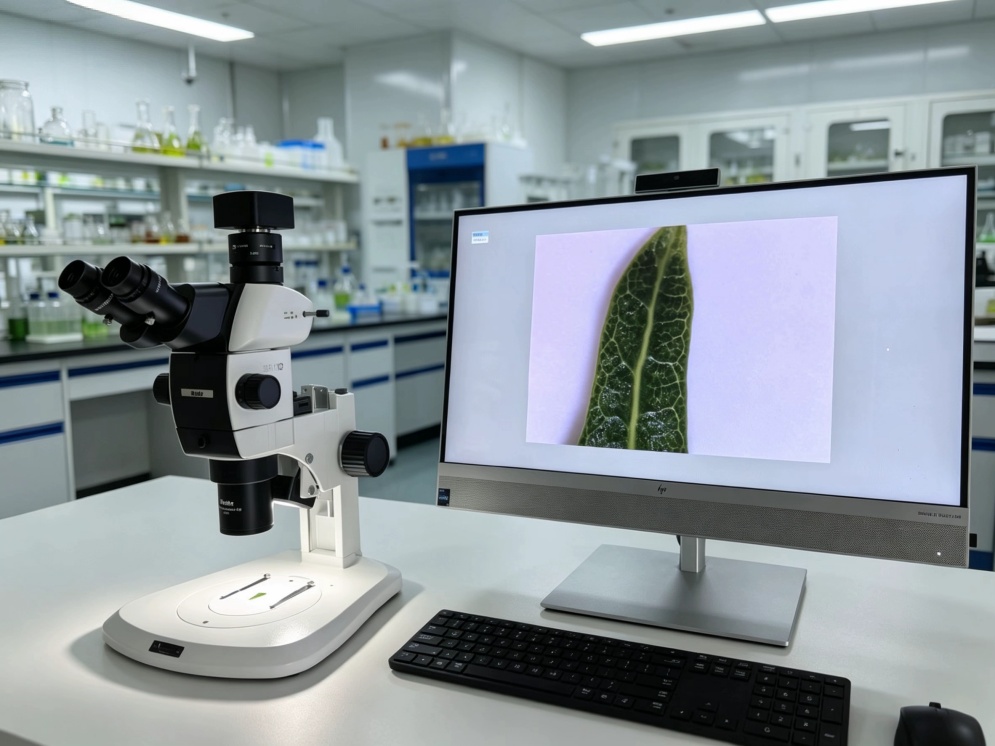
Electronics manufacturing and repair is the classic case: inspecting PCB solder joints, finding cold joints and solder bridges, repairing phone mainboards. Under a stereo microscope the work is comfortable and three-dimensional, and you can solder while you watch. The jewellery trade uses it to judge diamond clarity and identify stones. Animal dissection and plant morphology work need a three-dimensional view and room to work in. Geology and mining use it for mineral grains and rock surfaces; conservation uses it for object detail and cleaning. In teaching it suits hands-on classes such as biological dissection and insect observation.
3. Points to check when choosing
First, binocular or trinocular: binocular if you only look, trinocular if you need to attach a camera and record. Second, the zoom system: continuous zoom is more flexible than fixed magnifications, especially when the objects vary in size. Third, illumination: reflected light, ring lights and dual gooseneck fibre lights each have their uses, and ring LED illumination is usual for metal and electronic parts. Fourth, the stand: boom stands and pillar stands determine the working space and convenience, and for soldering and repair a boom stand with generous room is the better choice. Fifth, working distance: the longer it is, the easier it is to work under the objective.
4. Understanding magnification figures
Stereo magnification is usually quoted as a range, such as 7X to 45X. Distinguish optical magnification from digital magnification: the latter enlarges on screen through software and adds no real detail. Buy on the optical zoom range, and do not be misled by a large digital number.
A stereo microscope does not aim to show the finest detail; it aims to show things truly and to be pleasant to work with. For any task that involves handling a real object by hand, it is every bit as important as a biological microscope. Work out what you will be observing, how you will be working and what imaging you need, and the right one is easy to pick.